
EDUSKATING | FEVER ON ICE
Academics
01
/
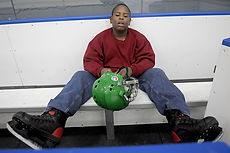
The students participate in skating in the school sessions at the local ice rinks. Their experience includes skating instruction, on and off ice skill games, and math, science, reading, writing and social studies activities that relate directly to skating, focusing on topics such as human anatomy, movement, fitness, chemistry, physics, geometry, measurements, geography and world cultures. Students are also introduced to the Olympic movement, the history of ice skating and the Olympic Games.
Students from different school districts participate in group and paired activities structured to build positive relationships, cooperative work skills and improved awareness of other cultures while working together to solve common real-life problems. The program focuses on these essential questions:
• What is ice skating and why do people do it? (How to move on ice skates; leisure; travel; sport)
• How does ice skating work? (Physics, kinetic friction; momentum)
• How do you move across the ice? (Balance; pushing; propulsion; inertia; gliding; turning; forward skating; backward skating; partnering; stopping; Newton’s Law of Motion; human muscle system; moving to music)
• What is ice? (Chemical properties; changes in matter; molecular motion)
• What shapes can I make on the ice? (Curves; line segments; perimeter; diameter; circumference; radius; concave/convex figures)
• What are the Olympics? (World celebration; celebration of diverse cultures; winter sports; vocabulary; reading; responding)
• Why is ice skating fun and worthwhile? (Physical fitness; real-life application of science principles; problem solving; making new friends; working with positive role models)
The program supports Kindergarten through 12th grade school students’ needs to be active, social and have fun with their peers while learning and applying new skills and concepts. Students learn that skating is not only a fun activity, but also one that can unite diverse people for common goals, improve teamwork, foster discipline, promote friendship, and encourage perseverance and self-esteem.


EduSkating | Fever on ice provides a multiple on and of the ice athletic activities to Figure Skaters and Hockey Players by introdusing other sports to strengthen a young athlete.
ATHLETICS
02
/
FALL SEASON
Basic Skills Enrollment
Basics and Beyond Testing
USFS Regionals
Haloween on Ice
BS Competition Series
Winter Celebration
WINTER SEASON
Winter Celebration
Marshall Arts Classes
Fencing Classes
PN Show rehearsals
BS Series Competitions
SPRING SEASON
Ballet
Performing Arts on Ice
Testing
BS Series Final Competions
End of the year Gala
Thursday, December 12, 2023, 03:30 PM
Final 17-33
Thursday, December 15, 2023, 05:15 PM
Thursday, December 20, 2023, 11:15 AM
WRESTLING - BOYS
Varsity VS Martin Luther HighSchool
Final 17-33
FEATURED VIDEOS
03
/
ART
PERFORMING ARTS
Students and Parents have many opportunities to become involved in Fever on Ice. First of all, they can become informed about the program by attending information sessions held at each participating school during the recruitment process.
During the program, special classes/recitals are scheduled when students bring their parents and families to observe the program and when students can teach their families what they’ve learned about ice skating. Parents contribute significantly to the final performance assessment – the culminating ice show- by volunteering to make signs and posters, managing kids backstage and helping with other roles.

VISUAL ARTS
Students will read and discuss materials on ice skating as well as news articles about major figure skating and Hockey events and other global athletic competitions.
SPECIAL PROGRAMS
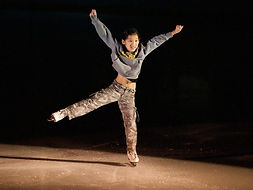
EduSkating|Fever on Ice concludes with a major ice show , where participating students perform alongside an inspiring group of professional skaters (including Olympians), dancers and aerialists. Students help to plan and produce this show, called “Proud Nation,” which focuses on the many racial, cultural and ethnic backgrounds they represent. Parent volunteers play an important part in the show by filling many backstage roles.